
led touch screen mirror
The Importance of Metal Ground Anchors in Modern Construction Metal ground anchors, also known as earth anchors or ground screws, have become an essential component in modern construction and landscaping projects. These anchors provide stability and support for various structures, from bridges and buildings to playgrounds and fencing. Their significance can be attributed to their versatility, ease of installation, and durability. One of the primary benefits of metal ground anchors is their ability to provide a firm hold in various soil conditions. Unlike traditional concrete footings, which require digging and pouring, metal anchors can be easily driven into the ground using specialized equipment. This method significantly reduces labor costs and project timelines, making it an attractive option for both small-scale and large-scale projects. Additionally, the installation of metal anchors often requires less space, allowing for greater flexibility in site design and layout. Metal ground anchors come in various designs, each tailored to specific applications and soil types. For instance, helical anchors feature spiral blades and are particularly effective in loose or sandy soils. These anchors can be rotated into the ground, providing a strong pull-out resistance. On the other hand, driven anchors are pounded into the soil, making them suitable for compact and rocky terrains. This diversity in design ensures that engineers can select the most appropriate anchor type based on the specific requirements of their projects. metal ground anchors The durability of metal ground anchors is another reason for their rising popularity . Constructed from high-strength steel, these anchors resist corrosion, ensuring long-term performance even in harsh environmental conditions. When properly galvanized or coated, metal anchors can withstand moisture, chemicals, and extreme temperatures, making them suitable for a wide range of applications—from marine construction to agriculture. In addition to their practical benefits, metal ground anchors also provide environmental advantages. Their installation typically has a minimal impact on the surrounding landscape as they require less excavation and soil disruption compared to traditional foundations. This characteristic is particularly important in preserving natural habitats and ecosystems, especially when constructing in sensitive or protected areas. Furthermore, using metal anchors can help to minimize the carbon footprint of construction projects by reducing the amount of concrete needed, which is a significant contributor to greenhouse gas emissions. Safety is another critical consideration in construction, and metal ground anchors play a vital role in ensuring structural integrity. They provide essential support and stabilization for various applications, such as retaining walls, temporary structures, and even solar panel installations. By securing these structures to the ground, metal anchors help prevent failures that could pose safety hazards to workers and the public. In conclusion, metal ground anchors are an invaluable resource in modern construction and landscaping. Their versatility, ease of installation, durability, and environmental benefits make them an excellent choice for a wide range of applications. As construction techniques continue to evolve, the role of metal ground anchors will likely expand, further solidifying their importance in ensuring safe and sustainable building practices. As stakeholders in the construction industry become more aware of their advantages, the adoption of metal ground anchors will undoubtedly grow, paving the way for innovative and resilient construction solutions.
about
led touch screen mirror
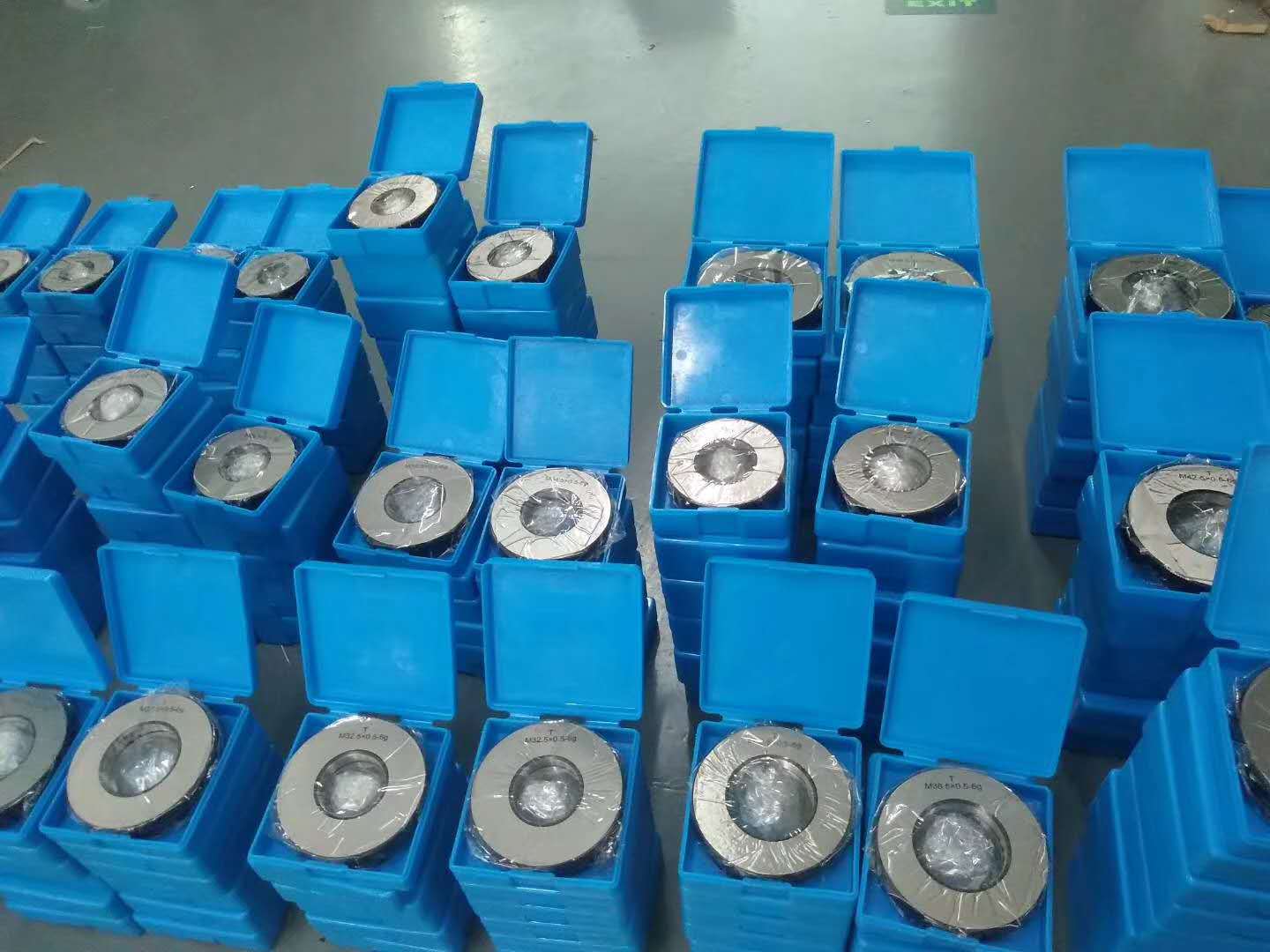
Understanding Metric Trapezoidal Threads A Technical Perspective Metric trapezoidal threads, often referred to as Acme threads in the imperial system, are a widely utilized type of threading mechanism in various engineering applications. This thread form, defined by its distinct trapezoidal profile, offers a robust and efficient solution for linear motion systems, particularly in situations where high load-bearing capacity and smooth, low-friction movement are essential. The metric trapezoidal thread standard is based on the ISO 2901 standard, which specifies the dimensions, tolerances, and characteristics of these threads. The thread's major diameter and pitch are the primary defining parameters, with the pitch being the distance between corresponding points on adjacent threads. Unlike the more common circular thread form found in screws and bolts, the trapezoidal shape allows for better engagement and increased load distribution, leading to higher strength and durability. One key advantage of metric trapezoidal threads is their self-locking property. Due to the angle of the thread flank, typically around 30 degrees, the screw can resist backdrive under most conditions, making it suitable for applications where accidental loosening could be catastrophic, such as in machine tools or elevators. Moreover, metric trapezoidal threads have a larger surface area in contact compared to other thread forms, resulting in lower friction and wear resistance. This not only enhances the efficiency of linear motion but also extends the service life of the components This not only enhances the efficiency of linear motion but also extends the service life of the components This not only enhances the efficiency of linear motion but also extends the service life of the components This not only enhances the efficiency of linear motion but also extends the service life of the components metric trapezoidal thread . Additionally, they are easier to manufacture and inspect due to their straight flanks, which simplifies the process of gauging and alignment. In industrial settings, metric trapezoidal threads are commonly used in leadscrews, nuts, and linear actuators. They find application in industries ranging from automotive and aerospace to construction equipment and precision machinery. Their versatility, combined with their inherent strength and efficiency, makes them a go-to choice for engineers seeking reliable and high-performance threading solutions. In conclusion, metric trapezoidal threads represent a critical element in modern engineering, offering a blend of strength, stability, and precision. As technology continues to evolve, so does the importance of understanding and utilizing these threads effectively. Their unique geometry and performance attributes make them indispensable in a myriad of applications, ensuring smooth operation and dependable performance across a wide range of industries.
-

High quality industrial productsagement

High quality industrial products
View Details -

Meet the diverse needs of customers

Meet the diverse needs of customers
View Details -

Strict quality control

Strict quality control
View Details -

Top raw materials

Top raw materials
View Details -

Trusted supplier

Trusted supplier
View Details
Our application

news and information
Welding Table Cast Iron Surface Finish Guide
As a wholesaler in the welding equipment industry, understanding the intricacies of welding table ca
Versatile animal repellent device for effective pest control in various settings.
A multifunctional animal repeller is a device that is designed to keep unwanted animals away from yo

Y Type Strainer Filter for Efficient Fluid Filtration Solutions
Understanding Y-Type Strainer Filters A Comprehensive Guide In various industrial applications, main
 English